
As a seasoned supplier of sliding door components, I often encounter a frequently asked question from customers: "Can I use the same components for a sliding glass door and a wooden sliding door?" This query is not only relevant but also crucial for those planning to install or renovate sliding doors. In this blog post, I'll delve into the intricacies of this topic, exploring the similarities and differences between the components used for glass and wooden sliding doors.
Understanding the Basics of Sliding Door Components
Before we discuss the compatibility of components, let's first understand the key elements that make up a sliding door system. These typically include tracks, rollers, handles, hinges, and locks. Each component plays a vital role in ensuring the smooth operation, security, and aesthetic appeal of the sliding door.
Similarities in Components
There are indeed some components that can be used interchangeably for both sliding glass doors and wooden sliding doors.
Tracks
Tracks are fundamental to the operation of any sliding door. They provide the path along which the door slides. In many cases, the tracks for glass and wooden sliding doors can be the same, especially if they are designed to support similar weights and dimensions. Aluminum tracks are a popular choice for both types of doors due to their durability, corrosion resistance, and lightweight nature. They can be easily adjusted to fit different door sizes and configurations.
Rollers
Rollers are another component that can often be used for both glass and wooden sliding doors. High - quality rollers are essential for smooth and quiet operation. Ball - bearing rollers, for example, are commonly used in both glass and wooden sliding door systems. They can handle the weight of the door and provide a low - friction surface for easy movement. However, it's important to ensure that the rollers are rated for the specific weight of the door. A heavier wooden door may require rollers with a higher weight capacity compared to a glass door.
Handles
Handles are primarily used for opening and closing the door, and there are many handle designs that can be suitable for both glass and wooden sliding doors. Stainless Steel Door Knobs are a versatile option. They are not only durable and resistant to corrosion but also come in a variety of styles to match different door aesthetics. Whether it's a modern glass door or a traditional wooden door, stainless steel door knobs can add a touch of elegance and functionality.
Differences in Components
Despite the similarities, there are also significant differences in the components used for glass and wooden sliding doors.
Hinges
Hinges play a crucial role in the installation and movement of the door. For glass sliding doors, Adjustable Glass Hinge are specifically designed to hold the glass panels securely. These hinges are usually made of high - strength materials such as stainless steel and are engineered to withstand the unique stresses associated with glass. They often have adjustable features that allow for precise alignment of the glass panels.
On the other hand, wooden sliding doors typically use different types of hinges. Butt hinges are a common choice for wooden doors. They are installed on the edge of the door and the frame, providing a stable and traditional way of attaching the door. The design and material of wooden door hinges are optimized for the weight and structure of wooden doors.
Locks
Security is an important consideration for both glass and wooden sliding doors, but the locks used for each type can vary. Glass sliding doors often require specialized locks that can be installed on the glass panels. These locks are designed to prevent forced entry while still maintaining the integrity of the glass. Some glass door locks are integrated with the handle, providing a seamless and secure solution.
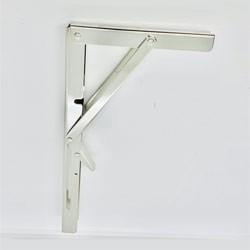

Wooden sliding doors, on the other hand, can use a wider range of locks. Mortise locks, for example, are a popular choice for wooden doors. They are installed inside the door, providing a high level of security. The choice of lock for a wooden door also depends on the style and design of the door, as well as the level of security required.
Seals and Weatherstripping
Seals and weatherstripping are used to prevent air, water, and dust from entering the building through the sliding door. Glass sliding doors usually require different seals compared to wooden sliding doors. Glass doors often use rubber or silicone seals that can form a tight seal around the glass panels. These seals are flexible and can adapt to the movement of the glass.
Wooden sliding doors may use felt or vinyl weatherstripping. These materials are suitable for the porous nature of wood and can provide effective insulation and protection against the elements.
Considerations for Using the Same Components
If you are considering using the same components for both glass and wooden sliding doors, there are several factors to keep in mind.
Weight and Load Capacity
As mentioned earlier, the weight of the door is a critical factor. Wooden doors are generally heavier than glass doors, especially if they are made of solid wood. When using the same components, make sure that they are rated to handle the maximum weight of the heavier door. Overloading the components can lead to premature wear and tear, and even safety hazards.
Aesthetic Compatibility
The aesthetic of the door is also an important consideration. While some components like handles and tracks can be chosen to match both glass and wooden doors, others may need to be selected based on the specific style of the door. For example, a modern glass door may require sleek and minimalist components, while a traditional wooden door may look better with more ornate and classic - style components.
Installation Requirements
The installation process for glass and wooden sliding doors can be different. Glass doors often require more precise installation to ensure the proper alignment of the glass panels and the functionality of the components. Wooden doors may be more forgiving in terms of installation, but still require careful attention to detail. When using the same components, make sure that the installation instructions are followed correctly for both types of doors.
Conclusion
In conclusion, while there are some components that can be used for both sliding glass doors and wooden sliding doors, such as tracks, some rollers, and certain handles, there are also significant differences in other components like hinges, locks, and seals. When planning a sliding door project, it's important to carefully consider the specific requirements of each type of door. As a supplier of sliding door components, I can offer a wide range of products that are suitable for both glass and wooden sliding doors. Whether you need Adjustable Glass Hinge for your glass door or Stainless Steel Door Knobs for your wooden door, we have the expertise and products to meet your needs.
If you're interested in learning more about our sliding door components or have any questions about using the right components for your project, please feel free to contact us for a detailed consultation and to discuss your procurement needs. We look forward to working with you to create the perfect sliding door solution.
References
- "Sliding Door Installation Guide", Home Improvement Association
- "Materials and Components for Sliding Doors", Building Materials Research Institute
- "Security Locks for Sliding Doors", Security and Safety Journal


